News · SI
OpenAI's GPT-6 Astra designed a working Codex device in under a week, as it pushes into physical engineering
OpenAI says GPT-6 Astra designed the enclosure, circuit board and firmware for a Codex device in under a week, though it still missed manufacturing limits. It also expanded work with Chip Ganassi Racing, started a vehicle design collaboration with Mazda, and is recruiting engineering partners.
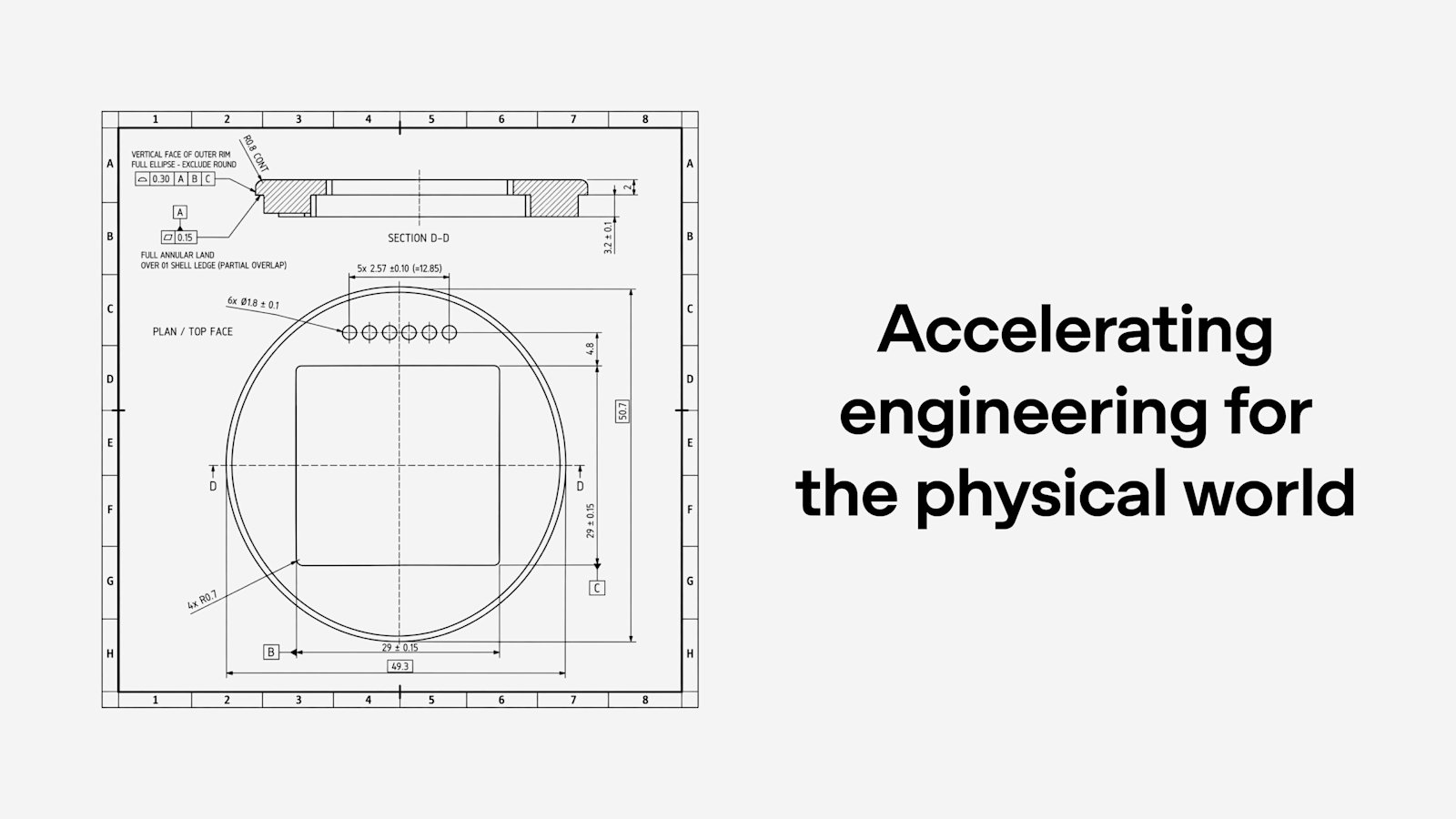
OpenAI says its models are moving from writing code to helping engineer physical products. In a November 3 post, the company described how GPT-6 Astra and Codex now help with mechanical and electrical engineering and end-to-end system design, from preparing drawings and setting up simulations to coordinating changes across disciplines[1].
01 / 04
A device designed by Astra
To test Astra's multimodal and computer-use skills, OpenAI tried to build a device with no direct human edits: a small gadget for talking to Codex. Astra developed its look, designed the enclosure and the internal structures that hold the parts, selected the electrical components, laid out the printed circuit board to fit inside the enclosure, and wrote the firmware and software that connect it to Codex[1].
Two team members designed the device with Astra in under a week as a side project, and a contract manufacturer built a small batch of prototypes in under a month[1].
OpenAI is open about the gap that remained. Getting the device ready for manufacturing took several rounds of review, because Astra didn't consistently account for the manufacturer's production limits, tolerances or assembly details[1]. As Unite.AI put it, there is still a distinction between generating a complete design and preparing that design for production[2].
02 / 04
OpenAI's own hardware teams
Inside OpenAI, hardware and infrastructure teams working on robotics and compute infrastructure use Codex and ChatGPT to create and revise CAD models, prepare manufacturing drawings, set up simulations and review designs. OpenAI says model usage across those teams, measured in tokens, has grown 23-fold since February[1]. That counts consumption, not engineering output or time saved[2].
On benchmarks, OpenAI points to BenchCAD 2.0, which tests whether models can reconstruct 3D parts and assemblies and identify connections in circuit boards. A newer internal model averaged 0.875, against 0.594 for GPT-6 Astra at its highest reasoning setting[1].
03 / 04
Racing parts and car aerodynamics
OpenAI is expanding its work with Chip Ganassi Racing, where it is testing workflows that turn 3D scans of existing parts into editable CAD models and 2D manufacturing drawings, which helps when the original design files are gone. The team's engineers check the results for accuracy and manufacturability[1].
It also announced a new research collaboration with Mazda's aerodynamics and crash-safety engineers. In the aerodynamics work, Astra models new nose shapes, simulates airflow and refines the most promising designs to reduce drag, while accounting for styling and cost. OpenAI says it will share results in the coming months[1].
04 / 04
Why it matters
Hardware has been slower to feel AI coding tools because the work lives in CAD, circuit-board and simulation software, and mistakes cost real money at the factory. OpenAI's own results show both sides: a full device design in a week, but one that still needed human engineers to make it buildable[3]. OpenAI is now recruiting engineering firms and software vendors to help close that gap, which suggests manufacturing-aware design is a training target for its next models.
Sources
Sources for this story.
FAQ
Frequently asked questions.
01What did OpenAI announce?
On November 3, 2026, OpenAI shared how its models help engineers design, simulate and build physical products across mechanical, electrical and system design. It described a device designed with GPT-6 Astra, growing internal use by its hardware teams, new BenchCAD 2.0 results, an expanded collaboration with Chip Ganassi Racing and a new research collaboration with Mazda.
02What device did Astra design?
A device people can use to talk to Codex. OpenAI says Astra defined its look, designed the enclosure and internal structures, picked the electrical components, laid out the printed circuit board, and generated the firmware and software integrations, without direct human edits. Two team members built it as a side project in under a week, and a contract manufacturer made a small batch of prototypes in under a month.
03Was the design ready to manufacture?
No. OpenAI says getting it production-ready took several rounds of review and iteration because Astra didn't consistently account for the manufacturer's production limits, tolerances or assembly details.
04How does OpenAI measure progress on engineering tasks?
With BenchCAD 2.0, which tests reconstructing 3D parts and assemblies and identifying connections in circuit boards. OpenAI says a newer internal model averaged 0.875, compared with 0.594 for GPT-6 Astra at its highest reasoning setting.
05Can companies get involved?
Yes. OpenAI is inviting engineers, engineering firms and software vendors in design, simulation, manufacturing and production to apply through a form to help shape how its frontier models are trained for these fields.
That’s the story
Building with what’s new?
Spectrum Web Co ships products, places talent, builds social narratives and builds custom business tools as monthly services.
Related stories