News · Tech
Q-CTRL raises US$290 million Series C and becomes a quantum unicorn
Sydney-based quantum software firm Q-CTRL has raised US$290 million (A$415 million) in a Series C led by Salesforce Ventures. The company says the oversubscribed round is the largest software-focused raise in the quantum sector, and Forbes Australia calls Q-CTRL Australia's first quantum unicorn. Q-CTRL did not disclose an exact valuation. Forbes Australia and Axios both put it above US$1 billion.
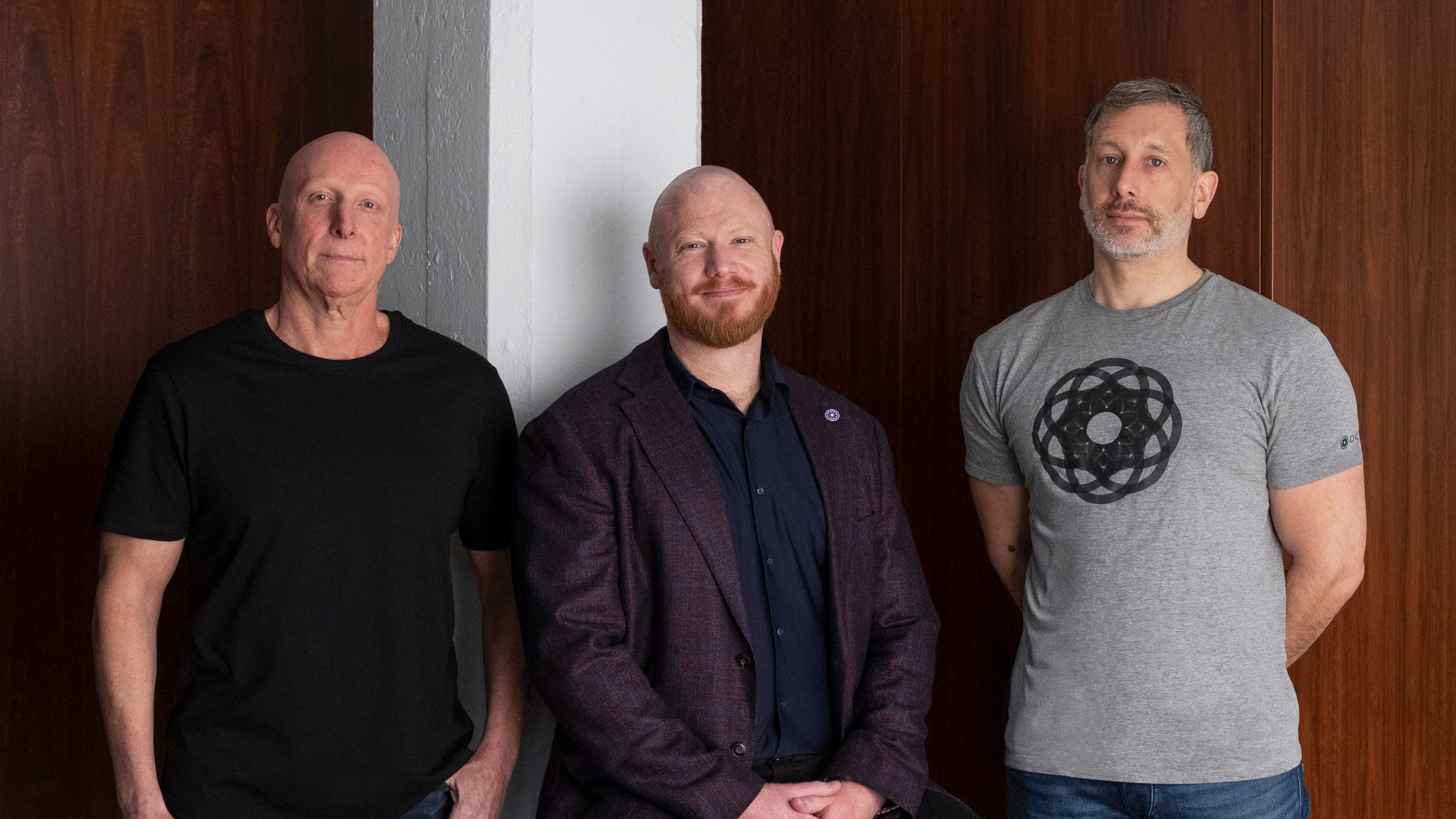
Sydney-based Q-CTRL has raised US$290 million (A$415 million) in a Series C led by Salesforce Ventures, the company said in an announcement dated 12 November 2026[1]. Bullhound Capital and Affinity Partners participated in a significant way, with other new and returning investors[1]. Q-CTRL says the round was oversubscribed, was expanded twice to meet demand, and is the largest quantum-sector fundraise for a software-focused business[1]. Founder and chief executive Michael Biercuk told Forbes Australia it is the largest ever raised by a software-focused quantum company[2].
Q-CTRL says the round mints the newest quantum-sector unicorn and places the firm among the best-capitalised quantum firms in private markets[1]. It does not give an exact valuation. Forbes Australia says the company declined to state one, and said only that it was more than US$1 billion[2]. Axios reports the Series C at a valuation of more than US$1 billion[3]. Quartz also reports a valuation above US$1 billion, attributing that figure to Bloomberg[4].
01 / 04
Who invested
Salesforce Ventures led[1]. Q-CTRL's new investors are Affinity Partners, AMD Ventures, EDGE Group, MPower Partners, Australia's National Reconstruction Fund Corporation and SPARX Asset Management[1][2]. Returning investors are Alpha Edison, Alumni Ventures, Bullhound Capital, DCVC, In-Q-Tel, Lockheed Martin Ventures, Main Sequence, Ridgeline, Salesforce Ventures, Salus Ventures and Square Peg[1][2]. Quartz, citing Bloomberg, identifies Affinity Partners as Jared Kushner's firm[4].
Forbes Australia reports that the Australian taxpayer holds A$70 million in equity through the National Reconstruction Fund Corporation, and that Q-CTRL is the fund's fifth quantum investment[2].
Biercuk said the syndicate shows the company's technology, its revenue growth and its fit with sectors from AI to aviation[1]. Robert Keith, a partner at Salesforce Ventures, said the hard problem in quantum "is not building the machine, it is getting useful output from it." He cited a materials simulation on IBM hardware that developers can call from the IBM Quantum Platform, and what he called the first quantum navigation system qualified for safety of flight[1]. Per Roman, founding partner of Bullhound Capital and a Q-CTRL board member, said the company is "one of the few quantum companies with real customers and real revenue."[1]
03 / 04
What the round funds
Q-CTRL says it will press further on software, cement its lead where AI and quantum meet, and scale globally for customers from finance to energy, while it continues major autonomy and aerospace programmes[1]. Quartz reports the company describing that plan[4]. Kathy Matsui and Kazuhiro Hosaka of MPower Partners said they want to expand Q-CTRL's footprint in Japan, which they called a natural hub for quantum commercialisation because of industrial demand and a sovereign commitment[1].
04 / 04
Why it matters
Forbes Australia's headline calls Q-CTRL Australia's first quantum unicorn, and the article says the round values it as Australia's first quantum computing unicorn[2]. With the raise, Forbes writes, Q-CTRL joins PsiQuantum, QuEra, Photonic, Nord Quantique, Xanadu, IQM and SandboxAQ. PsiQuantum has two Australians in its founding team and is building a utility-scale quantum computer in Brisbane with almost A$1 billion of combined federal and Queensland support, and Xanadu's founder and chief executive, Christian Weedbrook, is Australian[2].
Q-CTRL's account is that the money follows software already tied to customers: navigation on commercial aircraft, autonomous platforms and drones, and control software for quantum computers in data centres[1]. Axios puts the commercial point directly. The quantum market is potentially huge, it writes, but realising that potential means making the technology work in the real world[3].
Sources
Sources for this story.
- Q-CTRL Secures US$290 Million Series C Funding Led by Salesforce Ventures to Accelerate the Convergence of Quantum and AI (Q-CTRL)q-ctrl.com
- Q-CTRL becomes Australia's first quantum unicorn with US$290 million raise (Forbes Australia)forbes.com.au
- Quantum software startup Q-CTRL nabs $290M (Axios)axios.com
- Quantum software startup Q-CTRL raised $290 million at more than $1 billion valuation (Quartz)qz.com
FAQ
Frequently asked questions.
01How much did Q-CTRL raise, and what is it worth?
Q-CTRL says it raised US$290 million (A$415 million) in a Series C announced on 12 November 2026, led by Salesforce Ventures. The company says the round makes it the newest quantum-sector unicorn and does not publish an exact valuation. Forbes Australia says Q-CTRL declined to give a figure and said only that the valuation was more than US$1 billion. Axios also reports a valuation above US$1 billion.
02Who invested in the Series C?
Salesforce Ventures led, with significant participation from Bullhound Capital and Affinity Partners. Q-CTRL names AMD Ventures, EDGE Group, MPower Partners, Australia's National Reconstruction Fund Corporation and SPARX Asset Management among the new investors, and In-Q-Tel, Lockheed Martin Ventures, Square Peg and Main Sequence among those returning. Forbes Australia reports that the NRFC holding is A$70 million, and that this is the fund's fifth quantum investment.
03What is Ironstone Opal?
Q-CTRL says Ironstone Opal is a quantum navigation system that works when GPS is unavailable or denied, and that it is unjammable, unspoofable and undetectable. The company says its software-ruggedisation lets the sensors perform in the field 100 times better than the best alternative. It says the system is being deployed on commercial aircraft with Airbus, on autonomous platforms with Lockheed Martin, and on unmanned drones.
04What will Q-CTRL use the funding for?
Q-CTRL says it will press further on its software, scale globally for customers from finance to energy, and continue major autonomy and aerospace programmes. MPower Partners said it wants to expand the company's footprint in Japan. Forbes Australia reports that an evaluation kit for the navigation product is on sale now, and that a production version is planned for early 2027.
05Why is Q-CTRL being called Australia's first quantum unicorn?
Forbes Australia's headline describes Q-CTRL as Australia's first quantum unicorn, and the article says the round values it as Australia's first quantum computing unicorn. The company was founded in Sydney in 2017 by Michael J. Biercuk. Forbes lists seven other quantum firms already valued above US$1 billion, and applies the 'first' label to Q-CTRL.
That’s the story
Building with what’s new?
Spectrum Web Co ships products, places talent, builds social narratives and builds custom business tools as monthly services.
Related stories